Flaky Croissant Dough
Highlighted under: Sweet Tooth Favorites
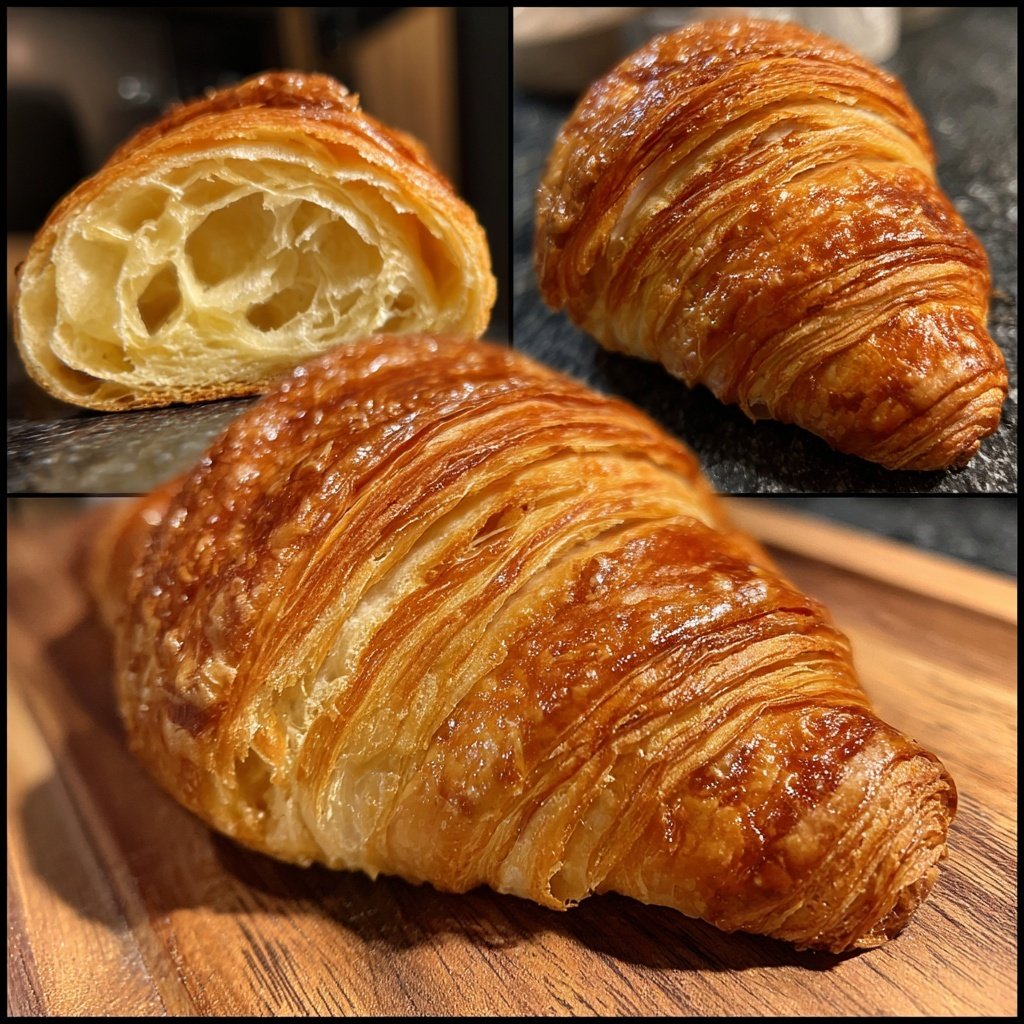
I absolutely love making flaky croissant dough at home. The moment you put in the effort and see those layers puff up in the oven is pure magic. I’ve experimented with various methods and found that using a cold butter technique provides the best results. It creates those irresistible flaky layers that everyone craves. Plus, the aroma of buttery pastries wafting through my kitchen is simply heavenly, making it worth every minute spent prepping and rolling out the dough.

When I first attempted making croissant dough, I was intimidated by the thought of laminating dough. However, after a few tries, it became an enjoyable ritual. The key to success is to work quickly and keep everything cold. I’ve learned that resting the dough between folds is essential for creating those airy layers. Each time I pull a fresh batch from the oven, I feel a sense of accomplishment that elevates any meal.
Another tip I’ve discovered is the importance of flour quality. Using high-protein bread flour enhances the dough's structure, leading to a crunchier exterior and a tender, flaky interior. Anyone can master this technique with patience and practice, and the end result is nothing short of spectacular!
Why You'll Love This Recipe
- Golden, flaky layers that are perfect for brunch.
- The satisfying crunch of a homemade croissant.
- A versatile dough that can be filled with sweet or savory ingredients.
Mastering the Lamination Technique
Lamination is the heart of croissant-making and is crucial for achieving the iconic flaky texture. The key is to keep everything as cold as possible during the process. If the butter begins to soften before sealing into the dough, it can leak during baking, resulting in less defined layers. Using a marble or chilled surface to roll out the dough can help maintain temperature.
When rolling out the dough, aim for a thickness of about 1/4 inch for each layer. If you're not achieving the correct thickness, don't be afraid to sprinkle a little more flour on your surface. This technique is essential for creating the flaky layers that will puff up beautifully in the oven.
Customizing Your Croissants
Once you've mastered the basic croissant dough, the possibilities for customization are endless. You can fill your croissants with almond paste for a classic almond croissant, or opt for a chocolate filling by placing a small piece of dark chocolate at the base of each triangle before rolling. Cheese and ham are also delightful savory options that add a personal touch.
After you've shaped the croissants, consider brushing a thin layer of egg wash (one egg beaten with a splash of water) over the tops before baking. This will give them an extra golden sheen as they bake, elevating their visual appeal.
Storing and Reheating Croissants
Freshly baked croissants are best enjoyed the same day for optimal flakiness. However, if you have leftovers, it’s important to store them properly. Allow them to cool completely before placing them in an airtight container at room temperature, where they can last for up to two days. If you want to keep them longer, consider freezing them as soon as they cool; wrap each croissant tightly in plastic wrap and place them in a freezer bag.
To reheat, preheat your oven to 350°F (175°C) and place the croissants directly on the oven rack for about 5–10 minutes, or until they are warmed through and the layers feel crisp again. The microwave is not recommended as it tends to make the pastry soggy.
Ingredients
Gather these ingredients to get started on your flaky croissant dough!
Ingredients
- 4 cups all-purpose flour
- 1/4 cup granulated sugar
- 2 tsp salt
- 1 tbsp instant yeast
- 1 1/4 cups cold unsalted butter
- 1 1/2 cups cold water
Make sure to measure accurately for the best results!
Instructions
Follow these steps for making perfect flaky croissant dough.
Prepare the Dough
In a mixing bowl, combine the flour, sugar, salt, and yeast. Gradually add cold water until a shaggy dough forms. Knead briefly until just combined, then shape into a disk, wrap in plastic wrap, and refrigerate for at least 30 minutes.
Incorporate the Butter
Place the cold butter between two sheets of parchment paper and pound it into a flat rectangle, about 1/2 inch thick. Remove the dough from the refrigerator, roll it into a larger rectangle, and place the butter in the center. Fold the dough over the butter and seal the edges.
Laminate the Dough
Roll the dough into a long rectangle, then fold it into thirds like a letter. Wrap in plastic and refrigerate for 30 minutes. Repeat this rolling and folding process two more times to create layers.
Shape the Croissants
After the final fold, roll the dough into a large rectangle and cut it into triangles. Roll each triangle from the base to the tip and place on a baking sheet. Let rise for 1 hour.
Bake
Preheat the oven to 400°F (200°C). Bake croissants for 15-20 minutes until golden brown. Enjoy your flaky creations warm!
Serve warm with butter or your favorite jam!
Pro Tips
- For best results, ensure all ingredients are cold, and do not skip the resting times between folds to allow the gluten to relax.
Why Cold Ingredients Matter
Using cold butter and water is essential for creating the beautiful layers in croissant dough. Cold butter remains firm when incorporated into the dough, preventing it from fully blending. As the dough bakes, the steam produced from the melting butter helps to create distinct layers, which is what makes a croissant so flaky and airy. Warm ingredients can lead to a dough that spreads too much, diminishing the fluffy texture.
If you find yourself in a warm kitchen, consider chilling your mixing bowl and utensils. A quick blast of ice water can cool down your tools, making sure every component stays cold when you’re mixing and rolling out the dough.
Troubleshooting Common Issues
If your croissants are not rising as expected, it could be due to either the yeast not being activated or the dough being too cold. Ensure that your yeast is fresh and that you allow enough time for rising. A warm, draft-free spot is ideal for the dough to expand properly before baking.
Another common issue is butter leaking out during baking, which can happen if the dough is not sealed tightly. To fix this, make sure to pinch the edges firmly after folding the dough over the butter. If problems persist, consider slightly thicker butter slabs to reduce melting during the initial baking stage.
Scaling the Recipe
This recipe yields a generous batch of croissants, but if you're looking to make fewer or more, scaling it is straightforward. Each ingredient can simply be halved or doubled based on your needs. However, be mindful of maintaining the proportions between flour, water, and yeast to ensure the dough behaves correctly.
Additionally, keep in mind that larger batches might require slightly longer resting or baking times due to increased mass. Pay attention to the visual cues, especially the golden color, to determine if they’re done baking. Experimenting with different batch sizes can help you find the perfect amount for your brunch gatherings.
Questions About Recipes
→ Can I freeze croissant dough?
Yes, you can freeze the laminated dough after the final fold. Just wrap it tightly and store for up to a month.
→ What if I don't have instant yeast?
You can use active dry yeast instead, just ensure to proof it in warm water before incorporating.
→ How can I tell if my croissants are done baking?
Croissants should be a deep golden color and sound hollow when tapped on the bottom.
→ Can I use whole wheat flour?
You can substitute some all-purpose flour with whole wheat flour, but it may affect the dough's texture and flakiness.
Flaky Croissant Dough
Created by: Phoebe Turner
Recipe Type: Sweet Tooth Favorites
Skill Level: Intermediate
Final Quantity: 12 croissants
What You'll Need
Ingredients
- 4 cups all-purpose flour
- 1/4 cup granulated sugar
- 2 tsp salt
- 1 tbsp instant yeast
- 1 1/4 cups cold unsalted butter
- 1 1/2 cups cold water
How-To Steps
In a mixing bowl, combine the flour, sugar, salt, and yeast. Gradually add cold water until a shaggy dough forms. Knead briefly until just combined, then shape into a disk, wrap in plastic wrap, and refrigerate for at least 30 minutes.
Place the cold butter between two sheets of parchment paper and pound it into a flat rectangle, about 1/2 inch thick. Remove the dough from the refrigerator, roll it into a larger rectangle, and place the butter in the center. Fold the dough over the butter and seal the edges.
Roll the dough into a long rectangle, then fold it into thirds like a letter. Wrap in plastic and refrigerate for 30 minutes. Repeat this rolling and folding process two more times to create layers.
After the final fold, roll the dough into a large rectangle and cut it into triangles. Roll each triangle from the base to the tip and place on a baking sheet. Let rise for 1 hour.
Preheat the oven to 400°F (200°C). Bake croissants for 15-20 minutes until golden brown. Enjoy your flaky creations warm!
Extra Tips
- For best results, ensure all ingredients are cold, and do not skip the resting times between folds to allow the gluten to relax.
Nutritional Breakdown (Per Serving)
- Calories: 200 kcal
- Total Fat: 12g
- Saturated Fat: 7g
- Cholesterol: 30mg
- Sodium: 150mg
- Total Carbohydrates: 20g
- Dietary Fiber: 1g
- Sugars: 1g
- Protein: 4g